Inside: Chanel
Few fashion houses move with Chanel's particular authority — unhurried, assured, resistant to the noise around it. Where the luxury industry tends toward reinvention, Chanel prefers refinement: adjusting its language rather than abandoning it, evolving in ways that feel inevitable rather than urgent.
2026 marks a considered turning point. With Matthieu Blazy now at the creative helm, the house enters a new chapter — one the industry is watching with unusual attentiveness. What he inherits is not a blank canvas but a living institution, shaped by decades of mythology and discipline. What he adds remains to be seen.
Chanel has never been reducible to fashion alone. It moves through multiple registers at once: couture and ready-to-wear, the enduring codes of its handbags, the quiet precision of its watches, the cultural weight of its fragrances. Each object, each collection, each beauty launch is part of a longer argument — one about what luxury means when it refuses to explain itself.
This page traces that argument through the year: the collections, the launches, the objects, and the ideas that are shaping what Chanel is becoming.
Covering:
The Return Of The Original Bottle: N°5 Eau De Toilette
Rouge Noir And The Colour Red
spring/summer
The Return of the Original Bottle: N°5 Eau de Toilette
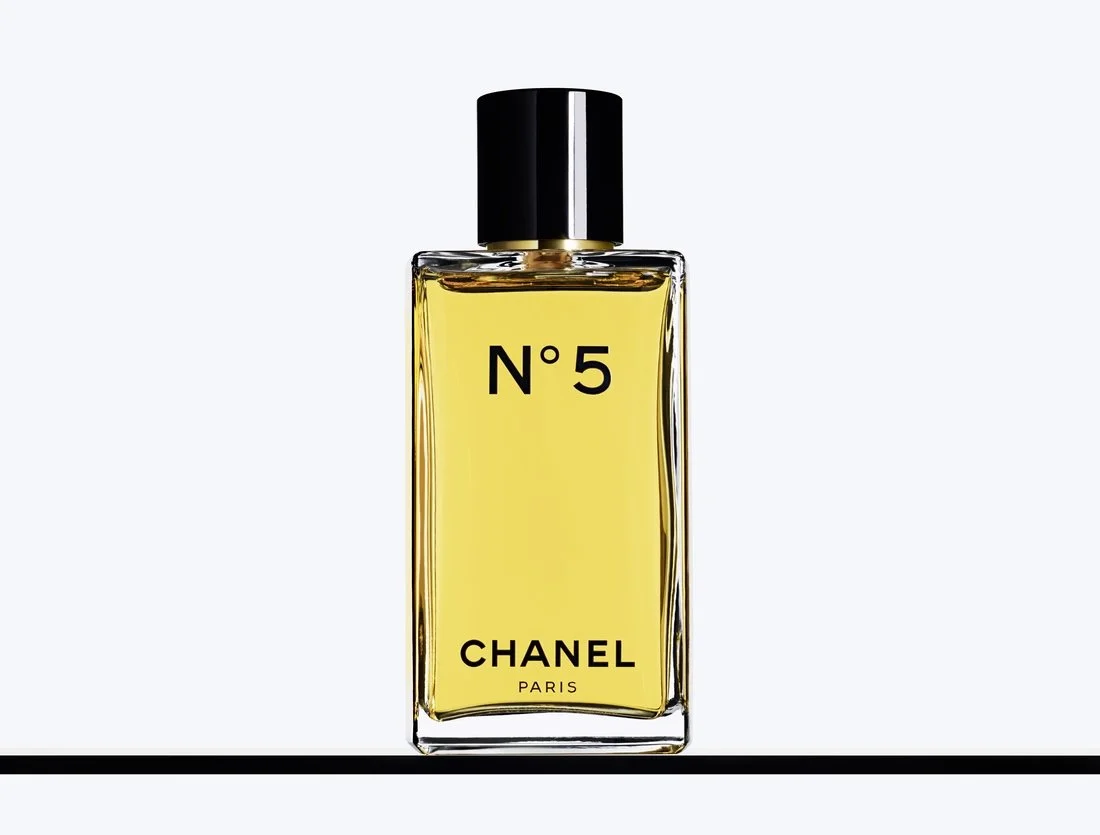
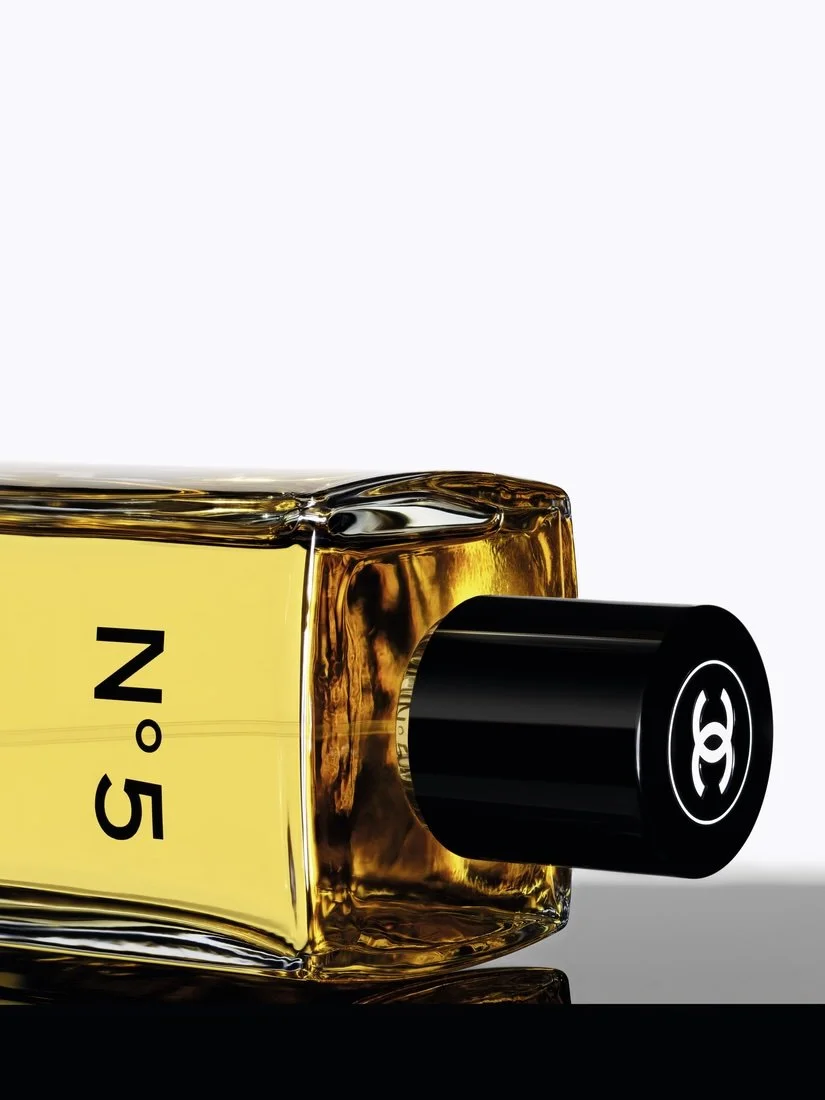
Some objects do not need to announce themselves. The original N°5 bottle is one of them — square glass, softly contoured edges, a cylindrical cap, the number five printed directly onto the surface in black. No label. No ornament. Nothing competing with the object itself. When Gabrielle Chanel and perfumer Ernest Beaux introduced it in 1921, the restraint was radical. More than a century later, it still is.
In 2026, the house returns to that original form, releasing N°5 Eau de Toilette in the earliest version of the flacon. The gesture resists easy categorisation. It is not nostalgia — Chanel has never been particularly interested in looking backward for its own sake. It is something closer to a restatement: a reminder that the authority of N°5 was never dependent on embellishment, and that simplicity, executed with complete conviction, remains one of the most powerful design positions available.
The fragrance itself has always been difficult to describe precisely, which is part of the point. When it was introduced, it was considered the first truly "abstract" perfume — not an imitation of a single flower, but a construction of an idea. Aldehydes open with a shimmering, almost atmospheric quality before giving way to a floral heart of rose, jasmine, and ylang-ylang, grounded eventually by sandalwood and vetiver. It smells, in the truest sense, like something imagined rather than found.
Under Olivier Polge, Chanel's in-house perfumer-creator, the Eau de Toilette has been shaped into something that carries that original abstraction lightly — a modern floral with a clarity and a woody elegance that feels less like a reformulation than a refinement. The composition doesn't chase the original so much as honour its logic.
The campaign brings Margot Robbie to N°5 for the first time — a choice that reflects the house's consistent instinct for women whose presence feels simultaneously of-the-moment and strangely permanent. She joins a lineage that includes Marilyn Monroe, Catherine Deneuve, and Nicole Kidman: faces that changed, a fragrance that didn't.
What the return of the original bottle ultimately offers is not a revision but a clarification. N°5 has always been about the idea as much as the scent — about what it means to reduce something to its purest form and trust that form to speak. The bottle makes that argument without saying a word.

spring/summer
Rouge Noir and the Colour Red
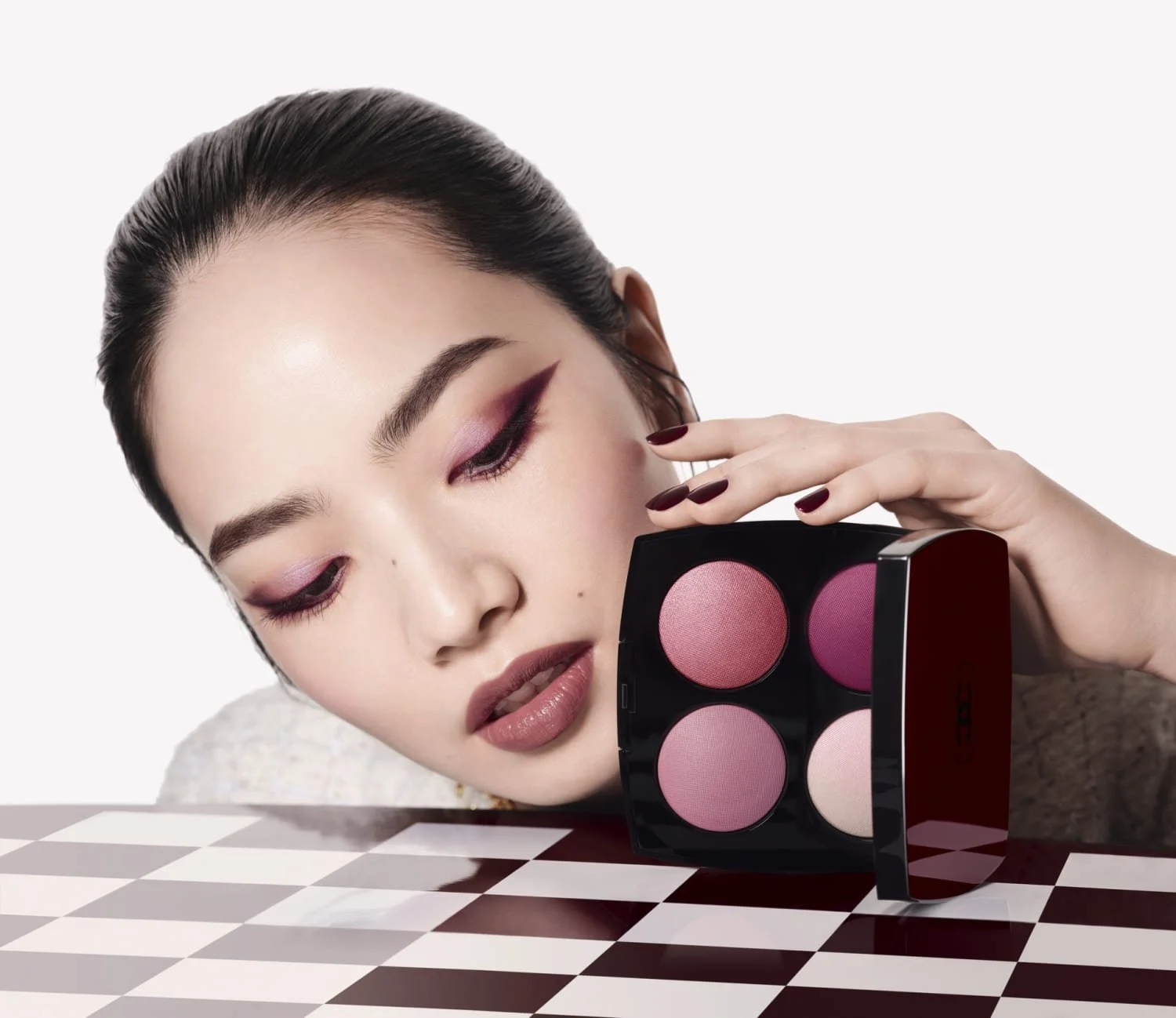
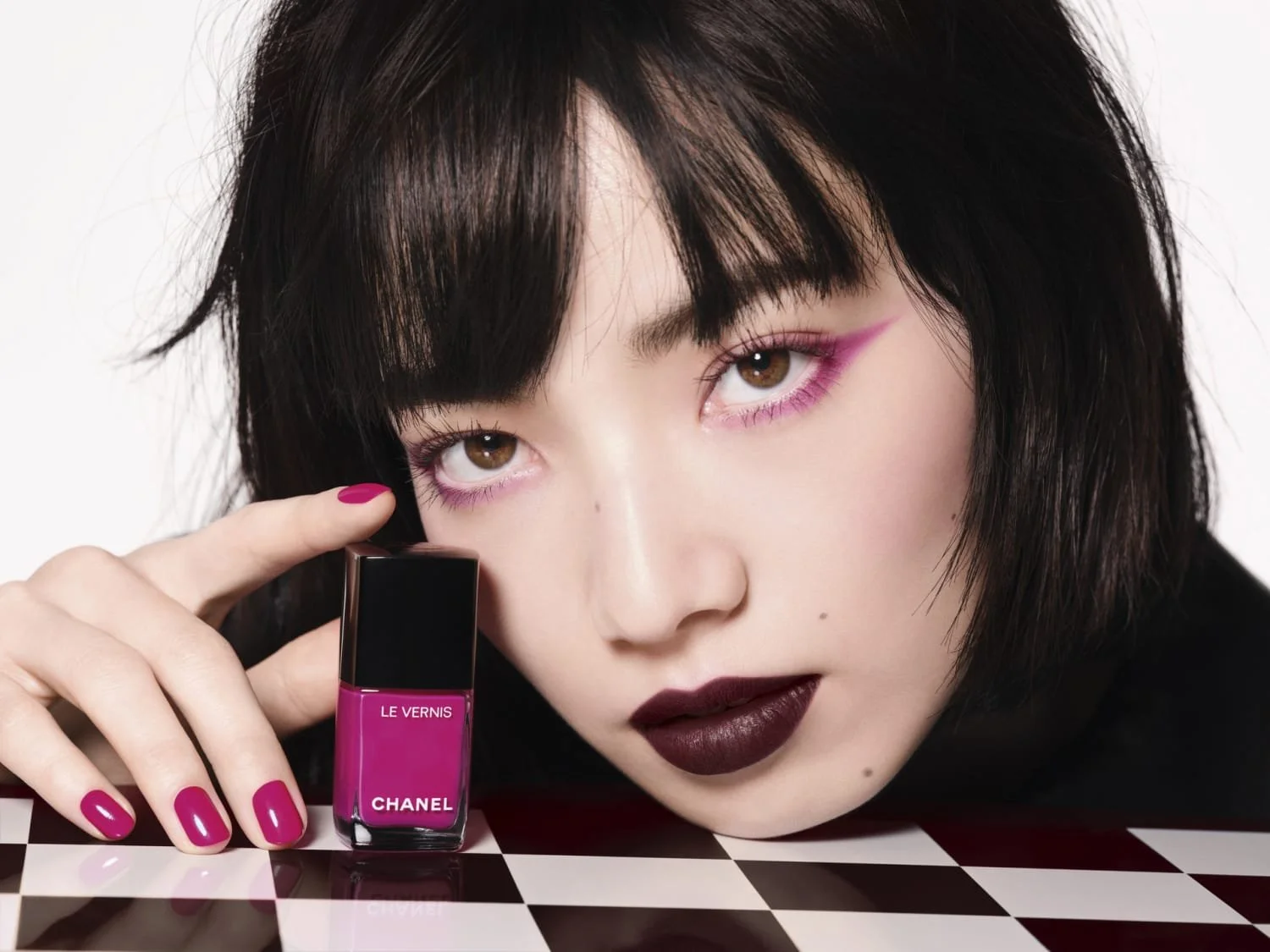
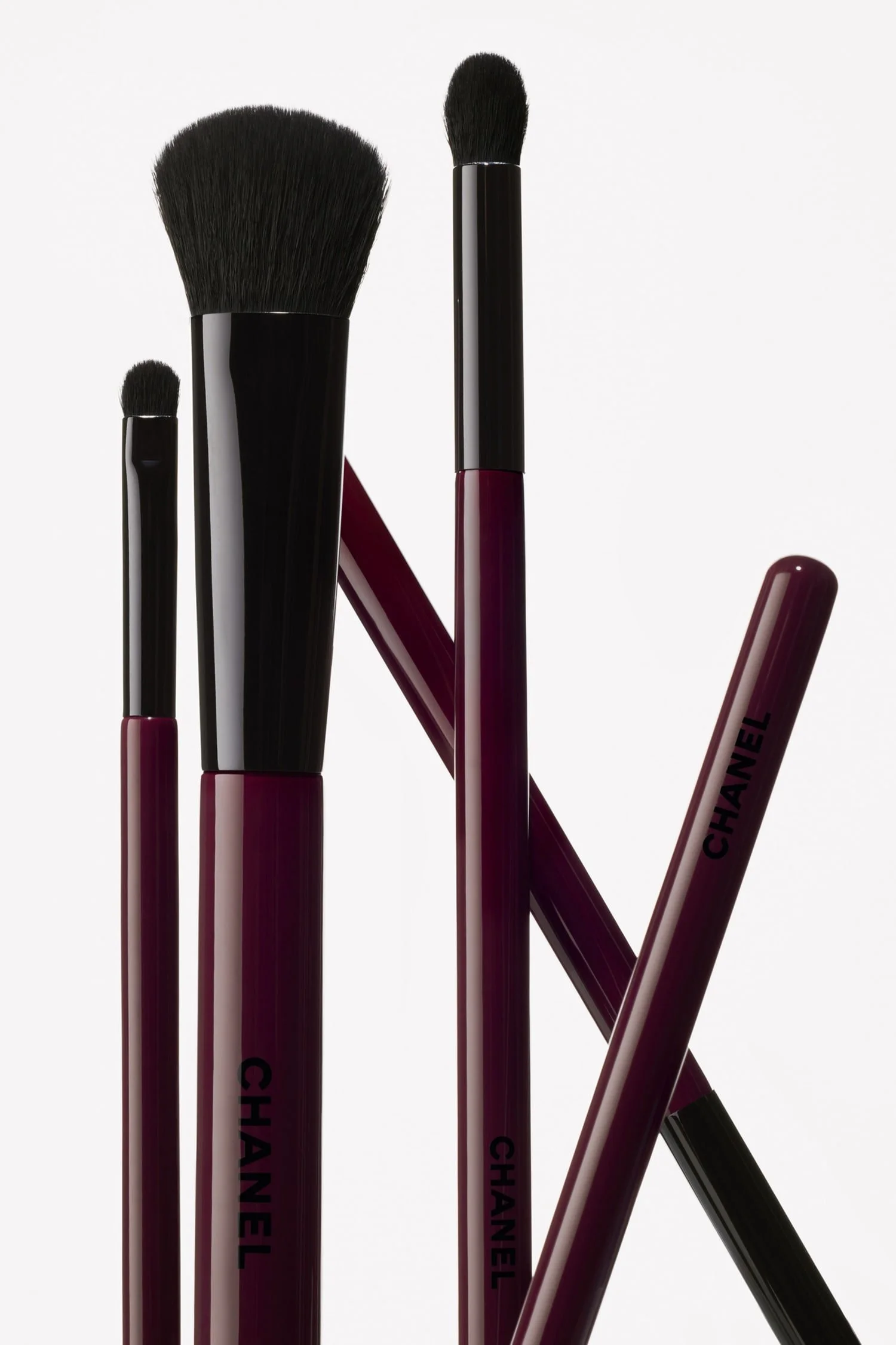
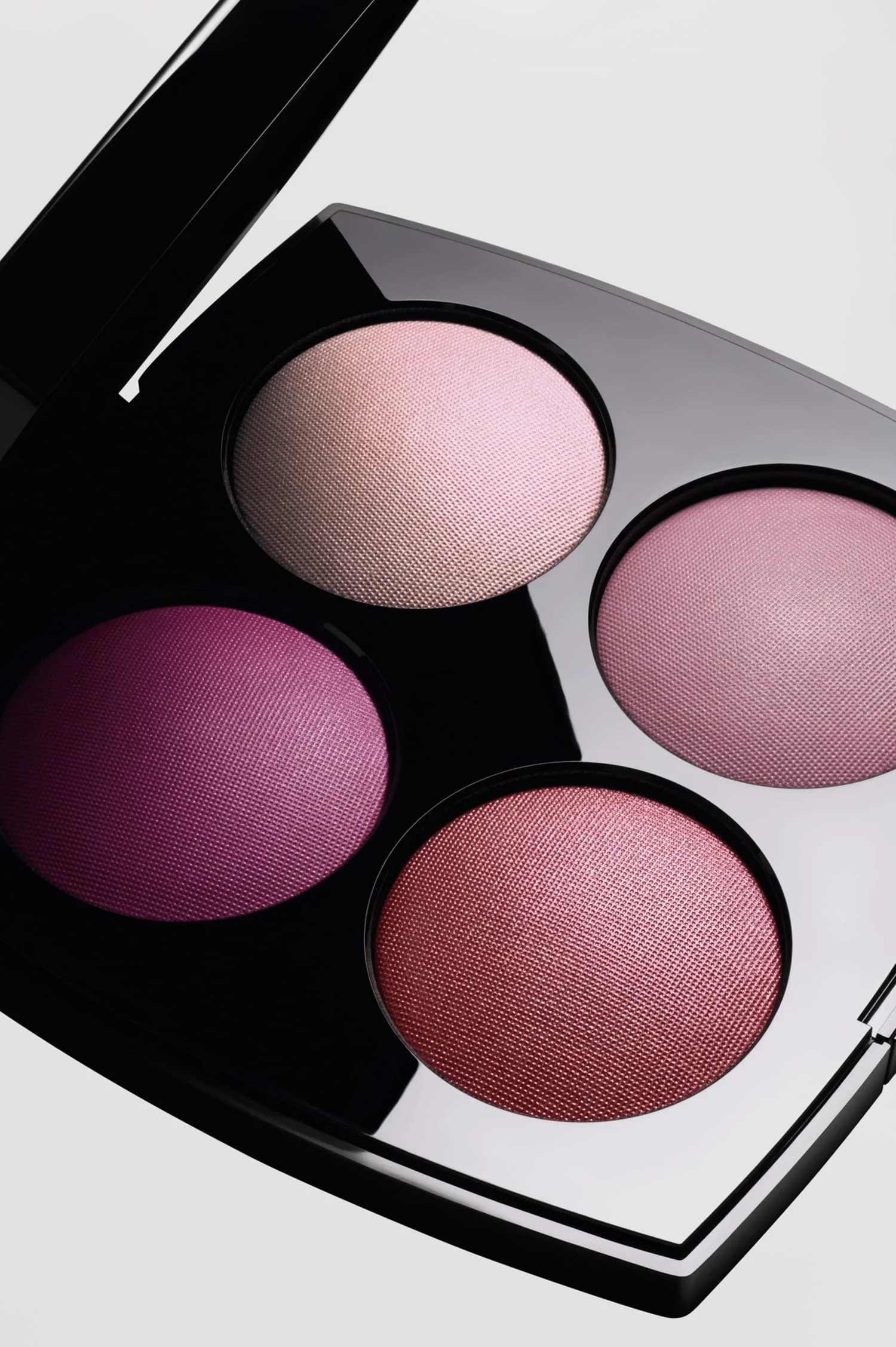
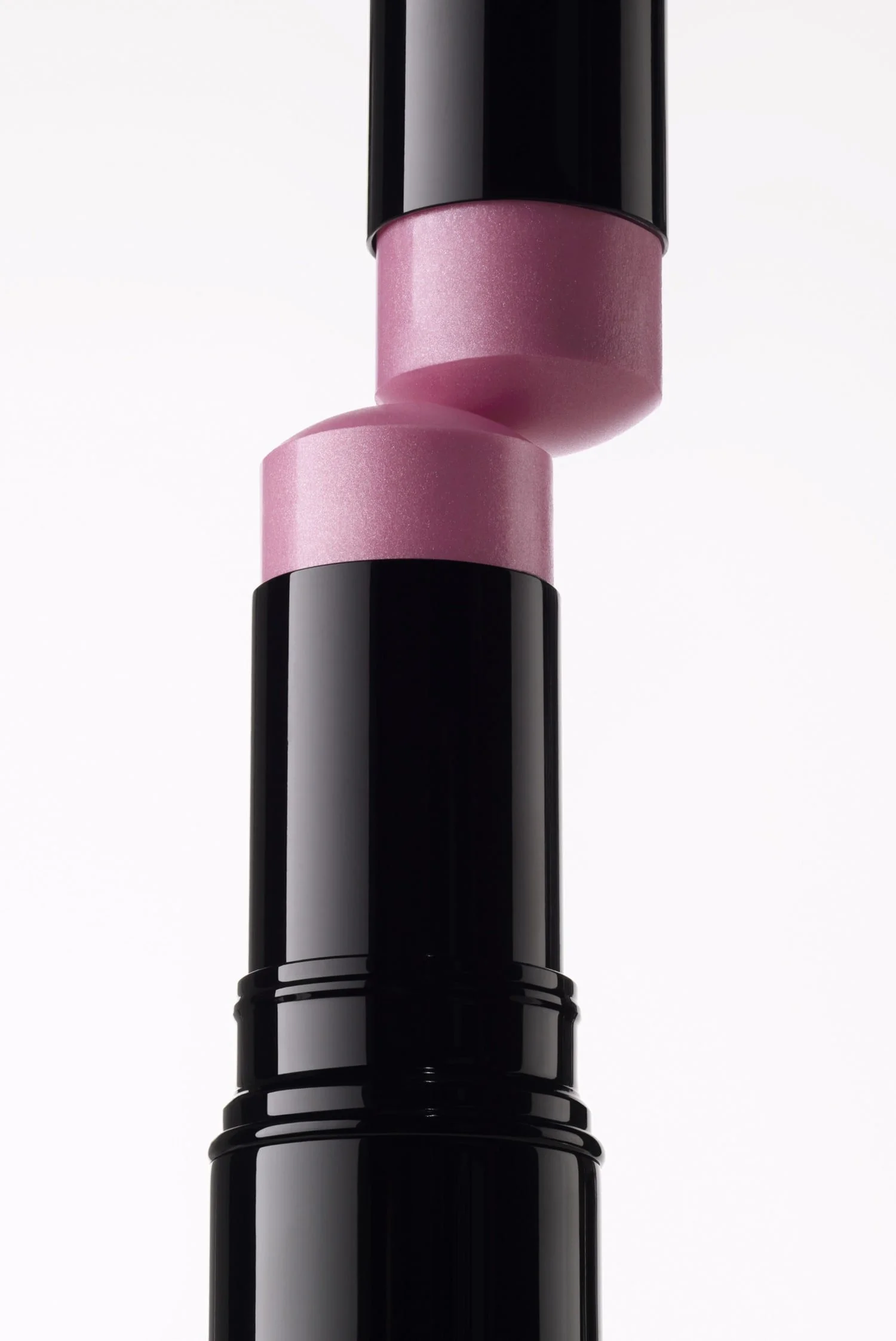
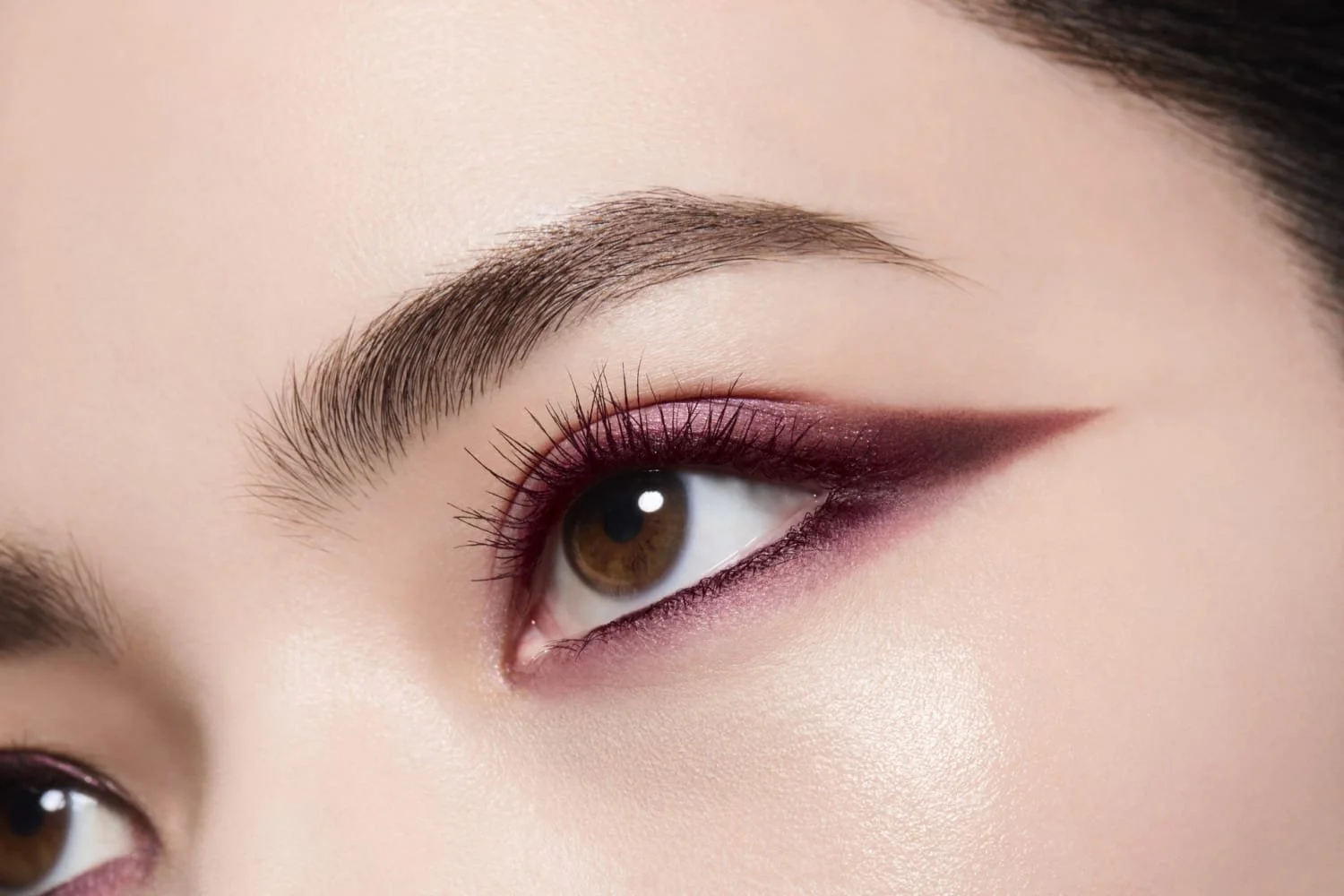
There is a particular kind of confidence required to build an entire collection around a single colour. Not a shade, not a mood — a colour. Red, in all its registers: heated, dusty, bruised, and luminous. For 2026, makeup artist Ammy Drammeh has done exactly that, envisioning a Rouge Noir collection that reads less like a product launch and more like an essay on what red can hold.
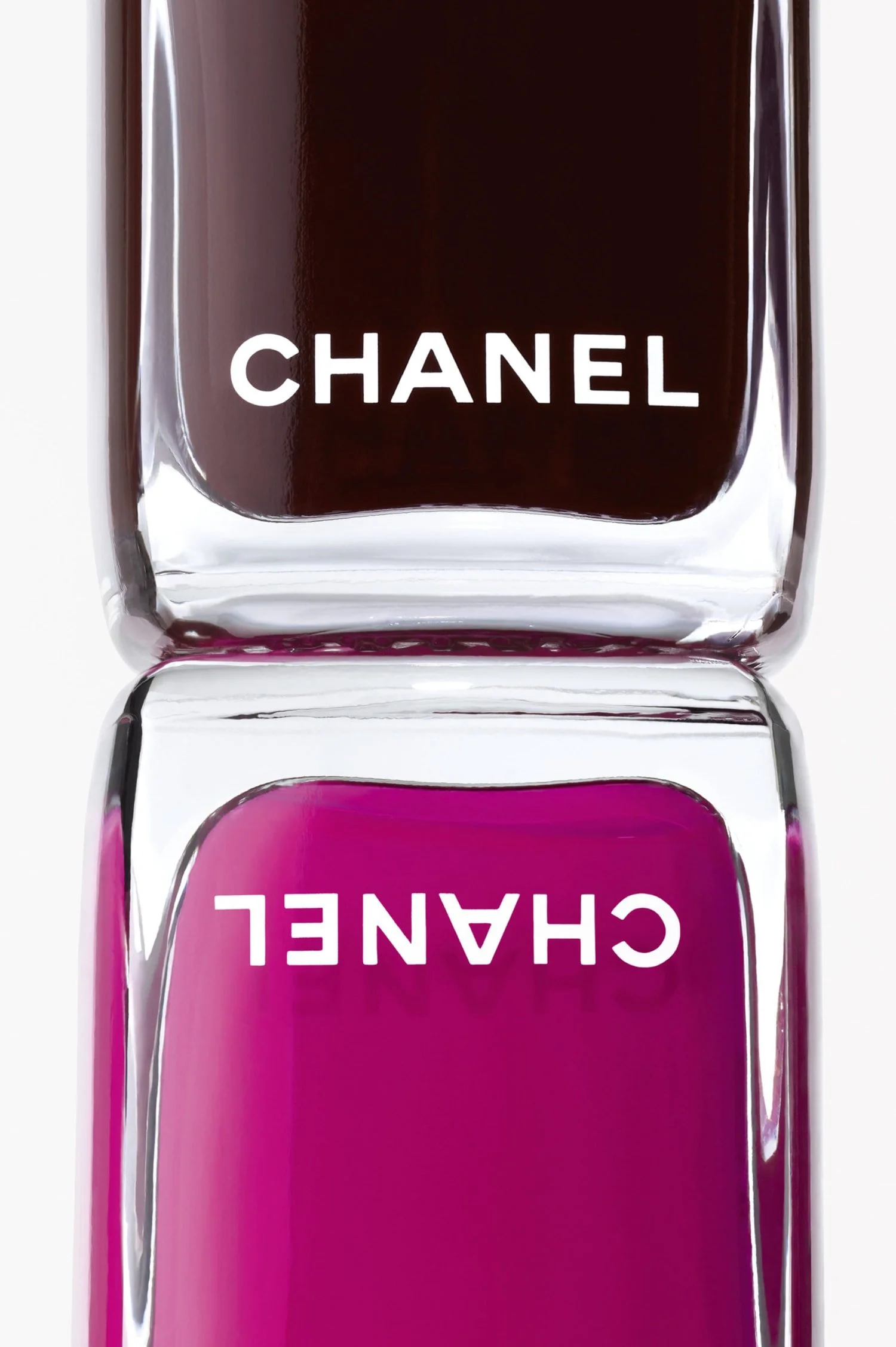
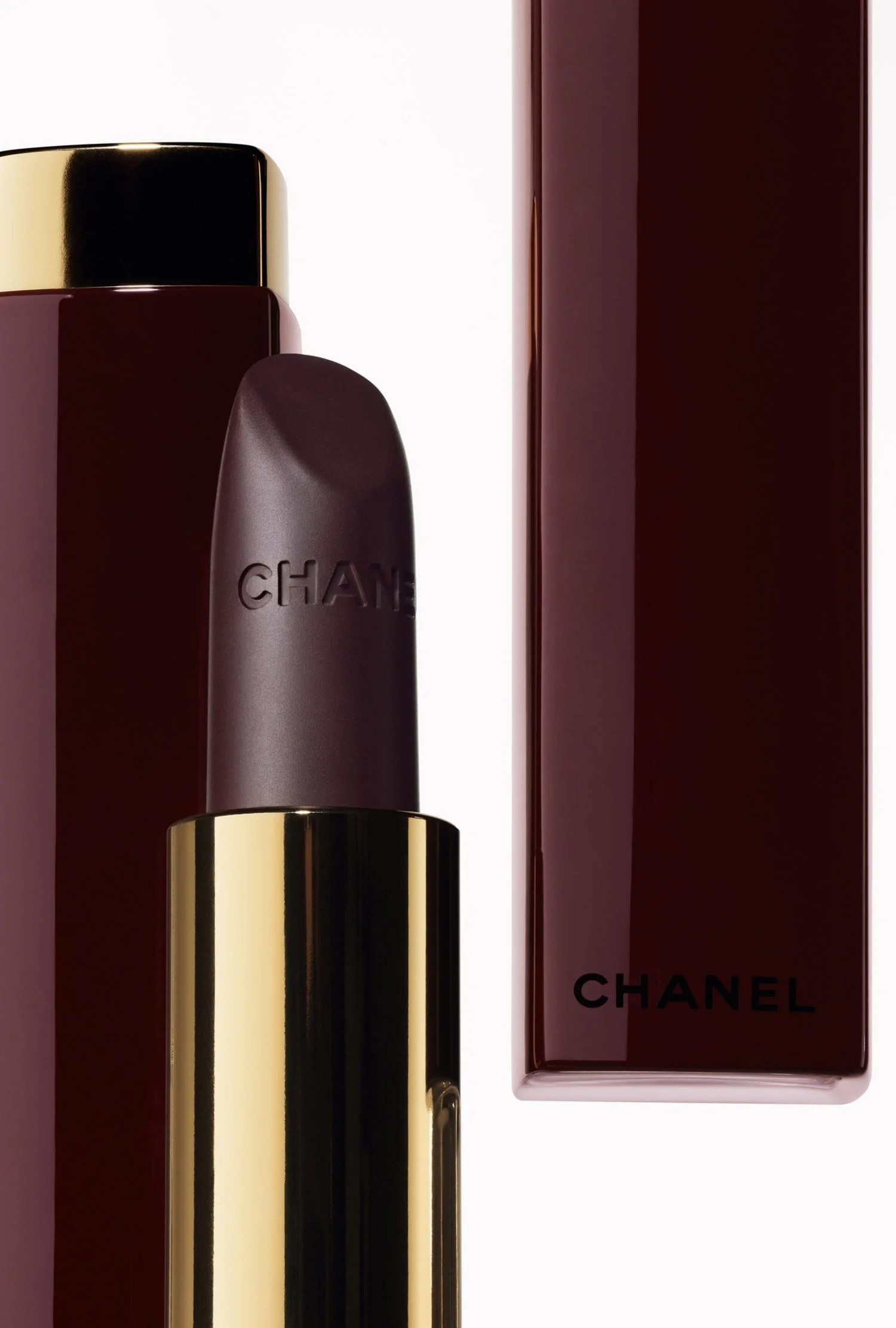
The range moves across the spectrum without ever losing its thread. There is mauve — red pulled toward grey, almost reluctant. Pink — red made younger, softer, less certain of itself. Rosy brown — red settled into skin, warm and unhurried. And then there is Rouge Noir itself, the shade that anchors everything: deep, lacquered, decisive. The one Uma Thurman wore in Pulp Fiction — a single shot that turned a nail colour into a cultural reference point and lodged it permanently in the Chanel archive.
What makes this collection worth paying attention to is not the breadth of the palette but the conviction behind it. In an era when beauty trends have drifted toward the imperceptible — blurred, bare, deliberately unfinished — Chanel steps in the opposite direction. Drammeh's vision doesn't hedge. It doesn't mute. It commits to the idea that red, worn with intention, remains one of the most powerful things a person can put on.
In 2026, plenty of houses are whispering. Chanel, as ever, chooses to speak clearly.