The Modern Mother
How Motherhood Refines Ambition and Identity
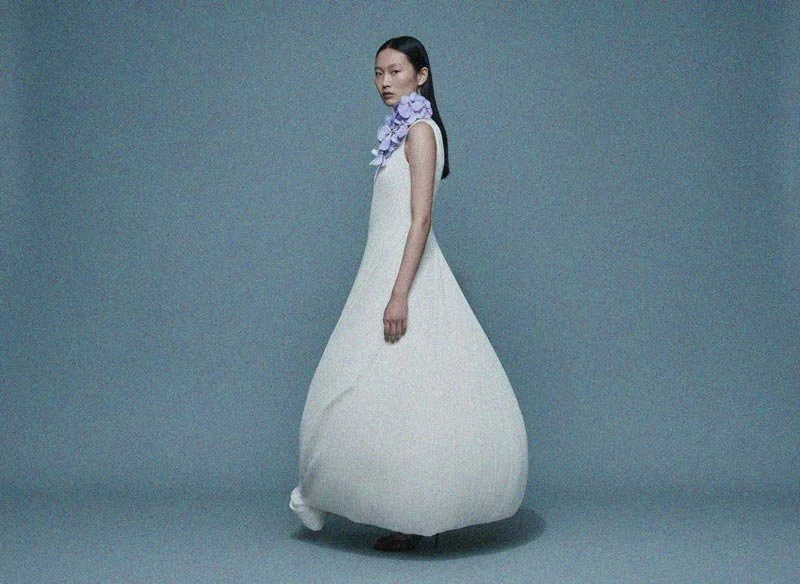
The scene is achingly familiar: a conference call interrupted by a toddler's urgent need for apple slices cut the right way. A proposal drafted during nap time, between laundry loads, in the narrow windows when silence actually holds. The laptop balanced on the kitchen counter, email notifications competing with the low hum of the baby monitor. This is the visual shorthand we've come to associate with modern motherhood—the frazzled juggle, the impossible balance, the woman trying to do everything and, by implication, succeeding at nothing completely.
Corporate culture even has a term for it: the motherhood penalty—the documented professional disadvantage many working mothers experience after having children. Studies document it with depressing consistency. Women with children earn less than their childless counterparts. They're promoted less frequently. They're perceived as less committed, less available, less serious about their careers. The research is clear: motherhood and career, in institutional terms, are treated as fundamentally incompatible.
But this framing misunderstands what motherhood actually produces.
The modern mother is often described as distracted, divided, and overextended. In reality, motherhood frequently produces the opposite: sharper priorities, stronger leadership instincts, and a more deliberate form of ambition.
Because while institutions measure motherhood by what it takes away—time, availability, the appearance of total dedication to the office—they fail to account for what it builds. Motherhood demands logistics at a scale most project managers would find overwhelming. It requires anticipation—reading needs before they're articulated, planning three steps ahead while managing the present moment. It necessitates emotional intelligence, decision-making under pressure, and the ability to hold multiple complex systems in your head simultaneously while appearing calm enough that the three-year-old doesn't sense your stress and spiral accordingly.
The modern mother is often running two sophisticated operations at once: the household and the career. Most organisations struggle to run one well. The assumption has always been that these compete. What if they're actually training each other?
In the workplace, motherhood and career are often framed as opposing forces. In practice, maternal experience is one of the most rigorous management trainings a person can undergo—one that nobody puts on a CV, but perhaps should.
Running a Household Is Executive Work
Consider what a mother—particularly a primary caregiver, regardless of whether she also works outside the home—actually manages on a daily basis.
She's scheduling across multiple timeframes: the immediate (what's for lunch), the medium-term (doctor's appointments, school holidays, birthday parties), and the strategic (educational decisions, childcare arrangements, long-term financial planning). She's allocating resources with the precision of a CFO working with a constrained budget. She's mediating conflicts with the emotional intelligence of a trained negotiator. She's doing crisis management—the stomach bug at 2 AM, the forgotten permission slip, the childcare that falls through before the big presentation.
These are precisely the competencies corporations describe as leadership—though they rarely recognise them when developed at home. Strategic thinking. Prioritisation under pressure. Emotional intelligence. The ability to hold complexity. Conflict resolution. Long-term planning while managing immediate demands.
A household with young children is a small institution requiring budgeting, scheduling, negotiation, conflict resolution, and performance management. The modern mother often runs it with greater efficiency than many organisations run themselves, while those same organisations question her professional capacity.
The irony is almost too neat: the skills working motherhood demands are precisely the skills modern workplaces claim to value. Yet motherhood is treated as their opposite—as distraction rather than training, liability rather than qualification.
The Postpartum Recalibration
There's a particular clarity that descends in the postpartum period, once the initial fog of sleep deprivation begins to lift. Time becomes brutally finite. The hours in a day don't expand to accommodate new responsibilities; they simply redistribute. Suddenly, every commitment is weighed against an actual cost: the time away from your child, yes, but also the energy you won't have later, the attention you can't split infinitely.
This scarcity does something unusual. It removes the luxury of distraction.
Before children, many women describe a kind of ambient tolerance for work that doesn't quite matter—the meetings that could have been emails, the projects that exist primarily to justify someone's position, the professional obligations undertaken because saying no felt harder than saying yes. There was time to be generous with attention, to participate in things that ranged from mildly useful to actively pointless.
Motherhood eliminates that buffer. There is no such thing as a meaningless hour once you have a child. When you have two hours while your baby naps, you don't spend them on work that doesn't matter. You become ruthlessly efficient about identifying what does. The clarity is almost chemical—a sharpening of focus that cuts through the noise and identifies signal with startling precision.
This is why so many businesses are started after children. Not despite motherhood, but because of what it clarifies. The woman who spent years working for someone else's vision suddenly has her own—not because pregnancy unlocked some dormant entrepreneurial gene, but because scarcity forced prioritisation, and prioritisation revealed what actually mattered to her all along.
The rise of maternal founders reflects this pattern. Women are building portfolio careers—multiple income streams, often from home, structured around school hours and nap schedules. They're consulting, creating, building businesses that didn't exist before they had children to support and limited time to do it in.
Postpartum does something unusual to maternal ambition. It doesn't diminish it. It refines it. The question becomes not "What can I achieve?" but "What do I actually want to achieve, and why?" When every hour costs something concrete, you stop spending them on other people's priorities.

The Identity Shift
There's a particular narrative about motherhood and identity that dominated the previous generation: becoming a mother meant disappearing into that role. The self before children—the ambitions, the interests, the carefully constructed identity—dissolved into the consuming work of caregiving. Motherhood was framed as erasure.
The modern mother experiences something different. Not dissolution, but reconfiguration.
Identity doesn't disappear; it becomes more complex. You are still yourself—the professional, the person with interests and ambitions and a life that exists independently of your children. But you are also a mother, and that role doesn't neatly stack on top of the existing structure. It integrates. Sometimes awkwardly. Often messily. But it expands the architecture rather than replacing it.
This shift is cultural as much as personal. The expectation that mothers should subsume themselves entirely into caregiving is weakening, though it hasn't disappeared. There's more space now—more examples, more permission—for mothers to maintain the other parts of themselves. To still be ambitious. To still care deeply about work. To still have identities that exist outside of their relationship to their children.
In recent years, memoirs and essays about modern motherhood have moved from the margins of literary culture to its centre, reflecting a growing recognition that maternal life contains its own intellectual and creative force. Writers are documenting the complexity with increasing nuance—not as confessional oversharing, but as serious cultural observation.
This doesn't mean it's easy. The tension between these identities is real. But increasingly, it's a tension to be managed rather than resolved by choosing one side completely.
What motherhood does—what it has always done, but what's more visible now—is expose the structure of identity. You see what's load-bearing and what isn't. Even daily routines become more deliberate — from how time is spent to the kind of quick, considered beauty rituals that fit the rhythm of the morning. What survives scarcity. What you're willing to protect even when protection costs something significant.
Some women discover that career ambition was more central to their identity than they realised. Others find that stepping back from professional life brings relief rather than loss. Many find themselves somewhere in between: still ambitious, but recalibrating what ambition means and what it's for.
Motherhood does not dissolve identity. It clarifies it. Sometimes uncomfortably. But clarity, even when uncomfortable, is valuable.
The Quiet Luxury of Time
There's a particular irony to how staying home with children has been culturally repositioned. For much of the twentieth century, being a stay-at-home mother was framed as limitation—a waste of education, a retreat from ambition, evidence of either choice or constraint, depending on who was doing the framing.
Now, in certain economic brackets, it's begun to read differently. As privilege.
This isn't universal. For many families, both parents working isn't a choice but a necessity—in an economy where childcare rivals university tuition and housing absorbs the majority of income, time with children has become a luxury few households can easily afford. But for women with the economic stability to step back from the labour market, even temporarily, that choice has acquired a different cultural valence.
The reasoning is straightforward, if depressing. Modern parenting is expensive. Quality childcare in major cities can cost as much as university tuition. Housing in neighbourhoods with good schools commands premium prices. The infrastructure required to raise children while both parents work full-time—the backup care, the flexibility, the sheer logistics—is costly in both money and stress.
Which means that being able to stay home—to be the primary caregiver, to be present for the mundane dailiness of young childhood—requires economic stability that not everyone has. It's a choice available primarily to women whose partners earn enough to support the household alone, or who have accumulated enough wealth to step back without financial crisis.
This is not an argument that all mothers should stay home. It's an observation about choice architecture. In the twentieth century, staying home was often framed as what women did when they lacked other options. In the twenty-first, the ability to step back from the labour market—to choose time over income, presence over productivity—can signal the opposite: that you have options, and you're exercising them deliberately.
The cultural shift is subtle but real. The stay-at-home mother is no longer automatically read as someone who gave up. She might be someone who opted out of a professional track that didn't align with her values. Someone who decided that the early years mattered more than the career momentum. Someone who's building something during nap times that will eventually replace the career she left.
Or she might simply be someone who wanted to be present for this particular phase of life, knowing it's finite and won't come again.
The privilege here is the ability to choose at all. And that privilege is increasingly visible, acknowledged, even aestheticised.
The Aesthetic of the Modern Mother
If you scroll through certain corners of Instagram—the ones curated by mothers who've built platforms around motherhood, design, and what's come to be called "intentional living"—you'll notice a particular aesthetic emerging.
Natural fibres. Neutral palettes. Wooden toys arranged just so. The Cybex stroller in matte black or rose gold, photographed against minimalist architecture. Linen clothing for both mother and child. Spaces that look serene rather than chaotic, designed rather than simply functional.
This isn't accidental. It's a visual language.
These objects and aesthetics signal specific values: thoughtfulness, intentionality, a refusal of the garish plastic chaos that dominated previous generations of childhood. They communicate that motherhood hasn't erased the capacity for taste, for design thinking, for caring about how things look and feel.
Design, in this context, is not superficial. It is a way of asserting that motherhood does not require the suspension of taste, ambition, or intellectual life.
The modern mother curates her environment. The stroller isn't just transportation—it's a design object that integrates into her aesthetic life. The tools and objects that support early motherhood—from carefully chosen carriers to feeding systems—are selected with similar intentionality. The clothing communicates something about how she sees this role — a shift toward timeless pieces and softer fabrics designed for movement.
Critics might call this performance. And there's truth to that. But there's also something more interesting happening: the aesthetic choices become a way of asserting that motherhood is compatible with sophistication, with design consciousness, with maintaining an identity beyond pure function.
The rose gold Cybex Priam, the linen play mat, the ceramics chosen for their beauty as much as their utility—these aren't just objects. They're arguments. They say: motherhood doesn't require surrendering beauty. It doesn't mean accepting chaos as inevitable or taste as irrelevant. You can be a mother and still care about design. You can integrate children into a life that was already carefully considered, rather than letting their arrival obliterate everything that came before.
This is identity work, performed through objects. The deliberate architecture around the modern mother reflects values about how this role integrates with, rather than replaces, the self that existed before.


The Cultural Shift That Hasn't Arrived
For all these personal recalibrations—the clarity, the refined ambition, the aesthetic assertions of continued identity—the broader culture still largely treats motherhood as interruption.
The motherhood penalty persists. The assumption that mothers are less committed, less available, less serious remains embedded in workplace structures and professional advancement patterns. Parental leave policies—where they exist at all—are still framed as accommodation rather than investment. The labour of managing a household and raising children remains largely invisible to economic systems that measure productivity by hours worked and output produced.
Society still treats motherhood as primarily a private matter—something families sort out individually, through personal resources and private arrangements. There's limited systemic support, limited structural recognition that raising children is work that benefits everyone, not just individual families.
But here's what's shifting, slowly: the mothers themselves are changing the conversation.
They're building businesses structured around motherhood rather than despite it. They're rejecting professional tracks that demand total availability in favour of creating their own models. They're visible in ways previous generations weren't—writing about the complexity, building platforms around the experience, refusing the narrative that motherhood requires professional retreat or identity erasure.
This doesn't change policy. It doesn't address the structural problems. But it changes the cultural story—slowly, unevenly, but noticeably.
Motherhood and career are not opposites. Motherhood is not the antithesis of ambition—it is one of its most clarifying forces. It demands competencies that the professional world claims to value. It requires strategic thinking, emotional intelligence, crisis management, long-term planning. It exposes what matters and what doesn't. It refines priorities with ruthless efficiency.
The question is whether workplaces, policies, and cultural narratives will catch up to what mothers already know.
Structure, Not Sacrifice
The laptop remains open on the kitchen counter. The Cybex Priam waits by the door, rose gold accents catching the morning light through the window — one of the objects that quietly shapes the rhythm of the baby year.
Upstairs, the baby monitor shows a sleeping child—thirty-seven minutes into a nap that might last another hour, or might end in five minutes, dictating the entire afternoon's architecture. Technology increasingly supports this fragile architecture of early parenthood — from smart monitors to automated bassinets and other systems designed to ease the cognitive load of the newborn months.
This is not chaos. Not anymore.
It's structure—carefully built, constantly calibrated, more complex than it appears from outside. The modern mother doesn't divide her life between competing worlds. The tools and objects surrounding her — wardrobe, beauty, and baby infrastructure — form a quiet ecosystem of objects that make the baby year work.
She constructs it from them. The professional ambition didn't disappear when the baby arrived. It sharpened. The identity didn't dissolve. It expanded, reconfigured, became more deliberately itself.
The day ahead contains conference calls and playground time, emails drafted during naps and dinner prepared with a toddler clinging to one leg. There will be moments of overwhelm. There will be decisions made with incomplete information and no time for deliberation. There will be the constant, low-level negotiation between what needs to happen and what's actually possible.
But there will also be clarity. About what matters. About what doesn't. About what deserves the limited time available and what can be released without guilt.
The modern mother does not step away from ambition. She rebuilds it—more deliberately, more efficiently, and often with greater clarity than before. Not because motherhood makes her superhuman, but because it forces prioritisation with a precision that nothing else quite matches.
The structure is there. It always was. Motherhood simply made it visible.
Motherhood does not weaken ambition. It removes everything that was never essential to it.

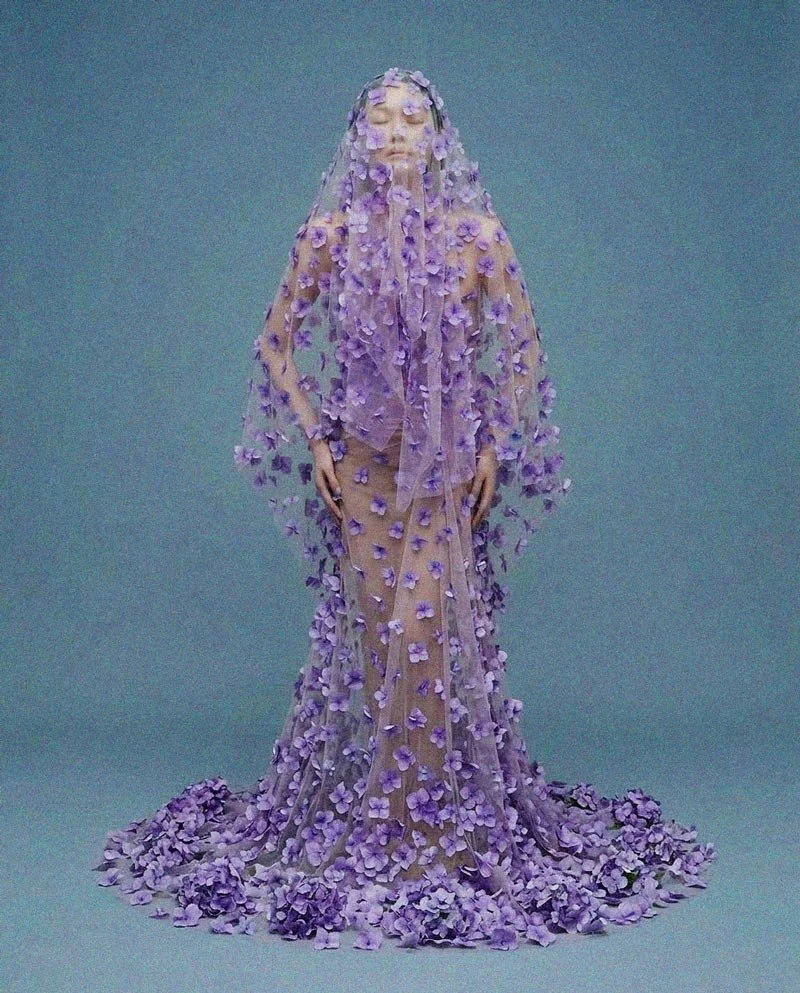
For our interpretation of how modern motherhood reshapes daily life,
we invite you to explore our accompanying journals on:
The Modern Mother Wardrobe (with Khaite)
The Modern Mother Beauty Essentials (with Merit)
The Baby Year Essentials (with Cybex)
Smart Newborn Essentials
The Modern Mother Edit
and The Cultural Myth Of The Mother.
NOTES FROM THE EDITOR-IN-CHIEF
tl—dr
What is the modern mother?
The modern mother is not defined by sacrifice alone, but by integration. She is a woman whose motherhood, career, ambition, and identity operate within the same life rather than in separate worlds. Instead of weakening ambition, modern motherhood often sharpens it by forcing clarity, prioritisation, and more deliberate choices.
How does motherhood change ambition?
Motherhood changes ambition by removing distraction and exposing what matters. With less time, less energy, and less tolerance for performative work, many mothers become more selective, efficient, and strategic. What looked like limitation often becomes refinement: maternal ambition becomes less about appearing successful and more about building something meaningful.
Why is motherhood often seen as a disadvantage at work?
Workplaces still tend to treat motherhood as a professional liability. The motherhood penalty refers to the wage, promotion, and perception gap many working mothers experience after having children, because employers often assume they are less committed or less available. This framing overlooks the fact that motherhood builds leadership skills that modern workplaces claim to value, including prioritisation, emotional intelligence, crisis management, and long-term planning.
How does motherhood affect identity?
Motherhood does not erase identity; it reconfigures it. Many women find that becoming a mother clarifies what is essential to who they are, what they want to protect, and what no longer fits. The modern mother is not simply absorbed into caregiving; she often emerges with a more deliberate relationship to work, selfhood, and ambition.
Why are so many mothers starting businesses?
Many mothers start businesses because motherhood exposes the inefficiencies and rigidities of traditional work. After children, time becomes more valuable and meaningless work becomes harder to tolerate. That is why modern motherhood is increasingly linked to maternal founders, portfolio careers, and flexibility-first work: not because motherhood ends ambition, but because it often makes women clearer about how they want to use it.
Is staying home with children becoming a luxury?
For some families, yes. In an economy shaped by high childcare costs, expensive housing, and the pressures of millennial parenting, the ability to stay home with children can signal financial stability and choice. What was once framed only as limitation is now, in some social and economic contexts, also seen as a form of privilege.
What is the modern mother aesthetic?
The modern mother aesthetic reflects identity through design, restraint, and continuity. From a Cybex stroller to neutral wardrobes, natural fibres, and thoughtfully chosen objects, these choices express the idea that motherhood does not require the abandonment of taste or sophistication. The aesthetic is not only visual; it is a way of asserting that care, ambition, and beauty can coexist.
What is the main idea of this essay?
The central argument is that motherhood is still widely misread by institutions and culture. Society often sees it as interruption, but for many women it becomes a catalyst for sharper ambition, stronger leadership, deeper identity, and greater clarity. Motherhood does not weaken ambition. It removes everything that was never essential to it.
THE MODERN MOTHER EDIT
-
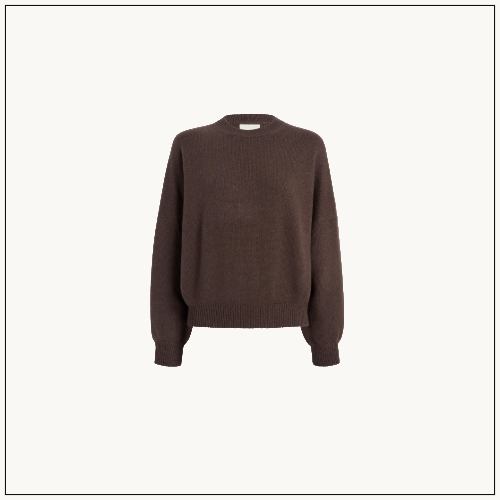
The Cashmere Workhorse
-
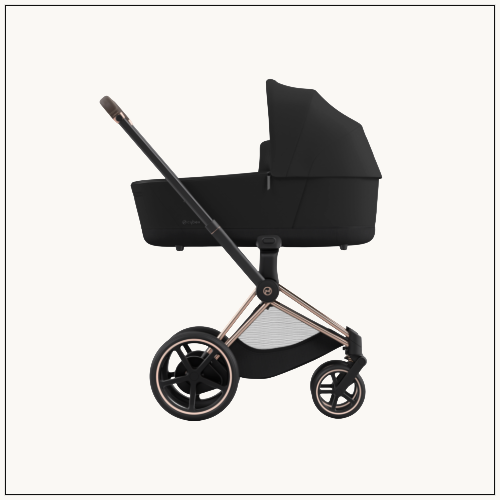
The Thinking Stroller
-
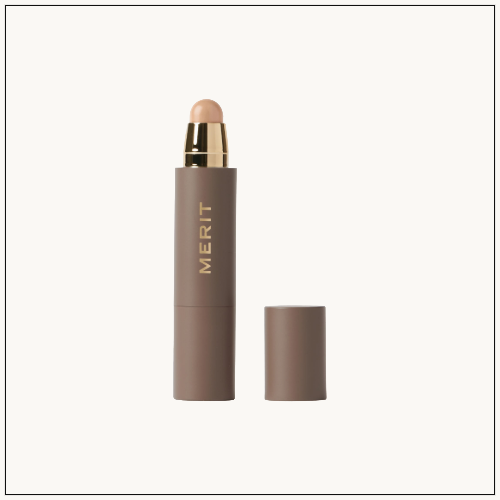
The Five-Minute Base
-
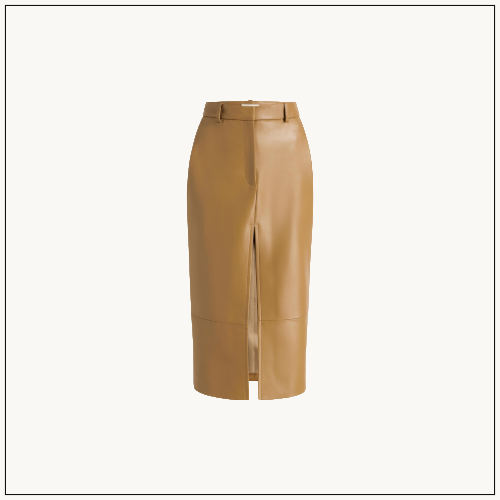
The Statement Anchor
-
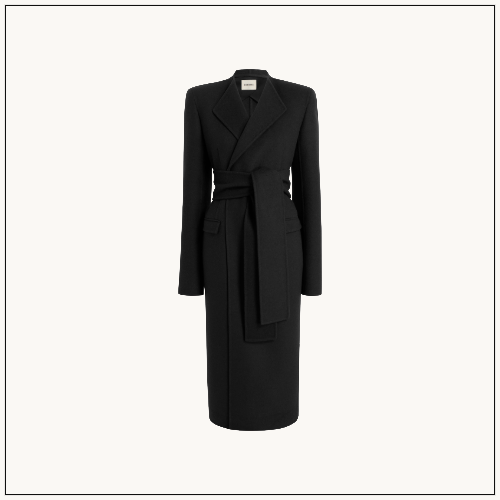
The Every day Coat
-
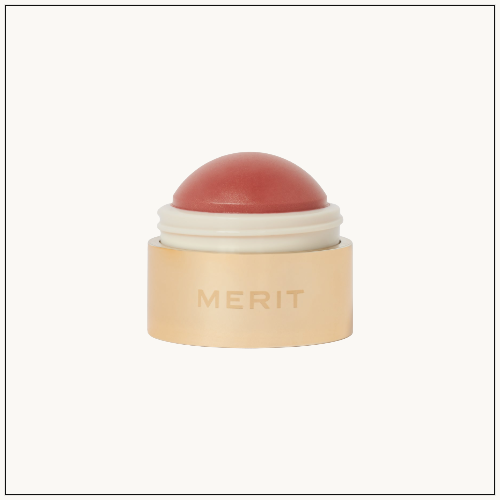
The Instant Colour
-
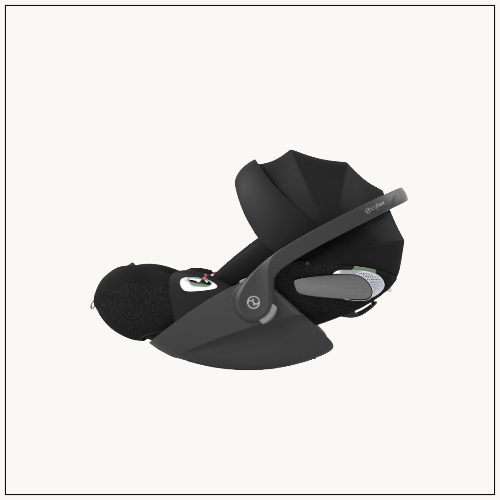
The First Seat
-
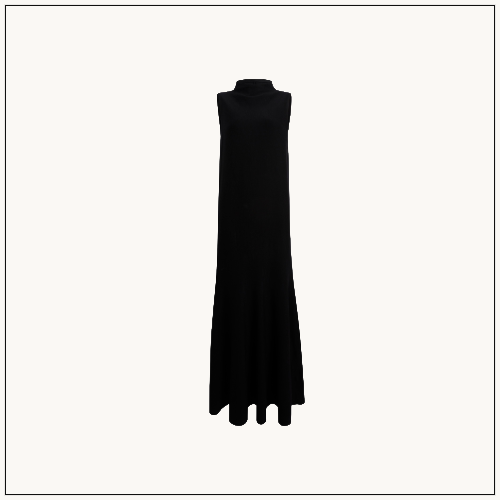
The No-Decision Dress
Notes
Currant Essays
Currant Essays is the magazine’s long-form editorial writing. These essays interpret cultural moments and shifts shaping modern life, culture, and style, offering considered readings of the present grounded in context, observation, and reflection.
Published
10 March 2026
Styling
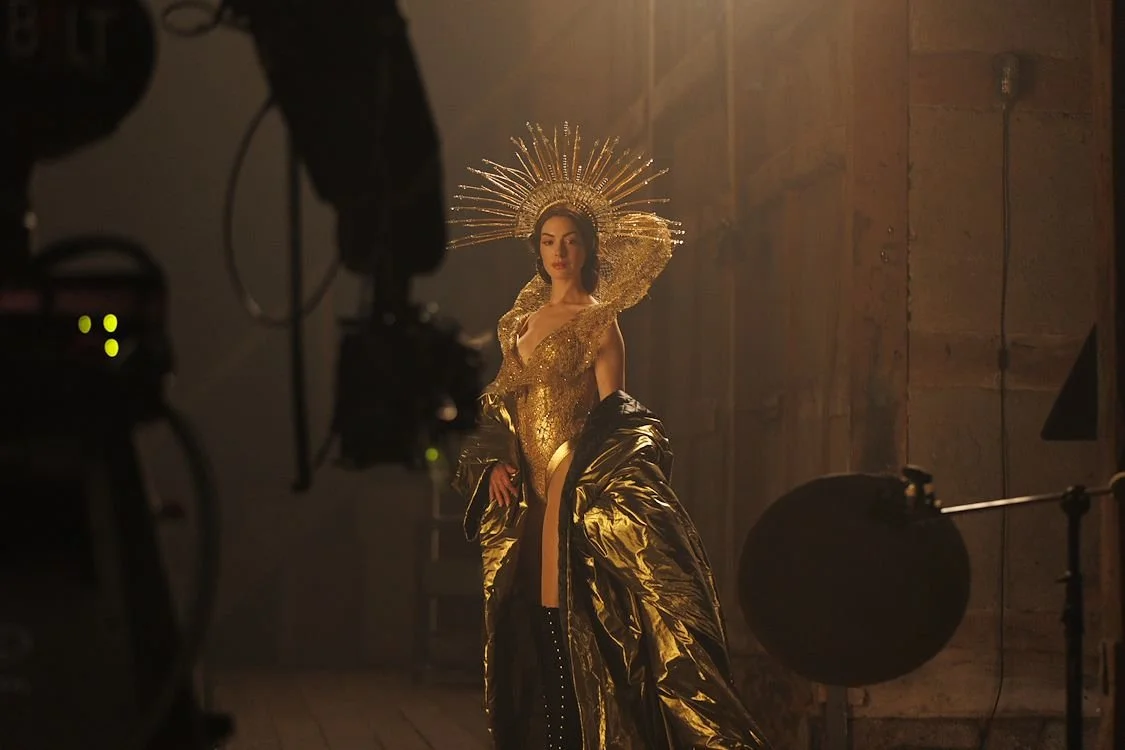
Dior Spring Summer 2026 Haute Couture
Visual Art
All imagery on Currant is created in-house, as part of our commitment to thoughtful and original visual storytelling.
The images from this editorial are from the series “I am mother”. Find out more about the images here.
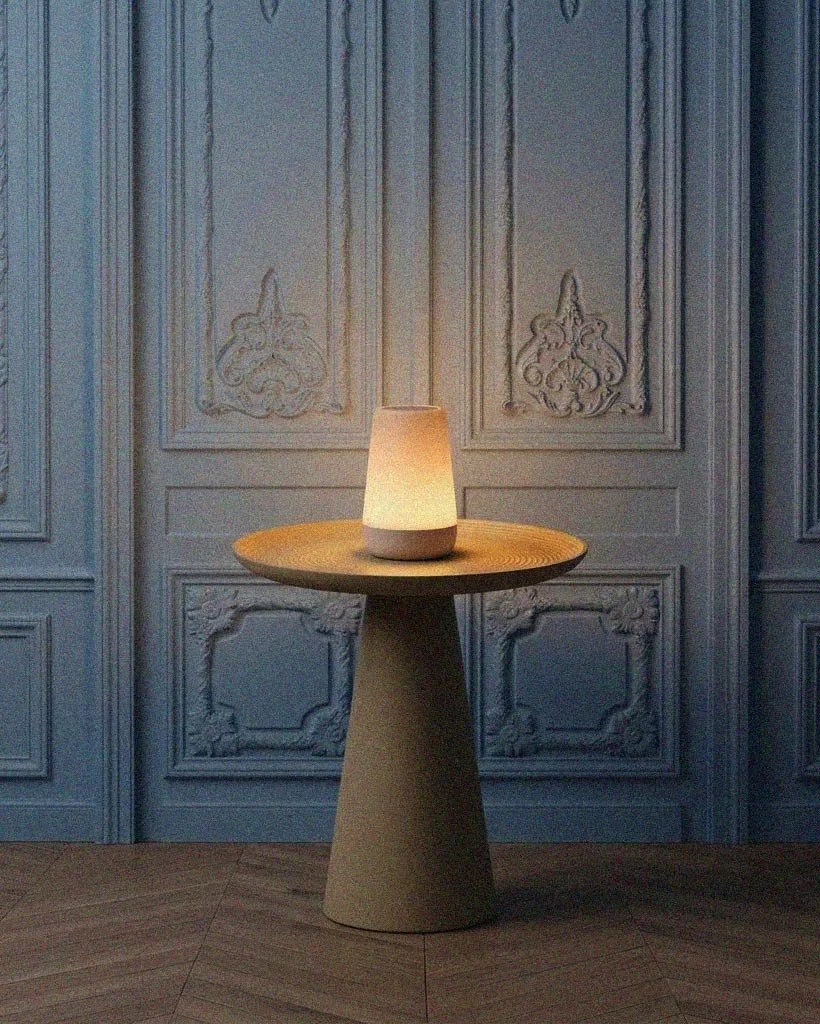


This journal explores how thoughtful design can support the daily realities of the baby year. Through moments like the first walk, the first coffee outside, and the first winter, we look at how the Cybex system helps modern mothers move through early parenthood with greater ease. It is a story about motherhood, design, and the objects that quietly shape the rhythm of the first year.